Planning
China travel checklist: 25 things to sort out before you fly, in the right order
A step-by-step China trip checklist: entry rules, hotels that take foreigners, trains, tickets, Alipay, eSIM, apps, cash, and the arrival card. Tick as you go.
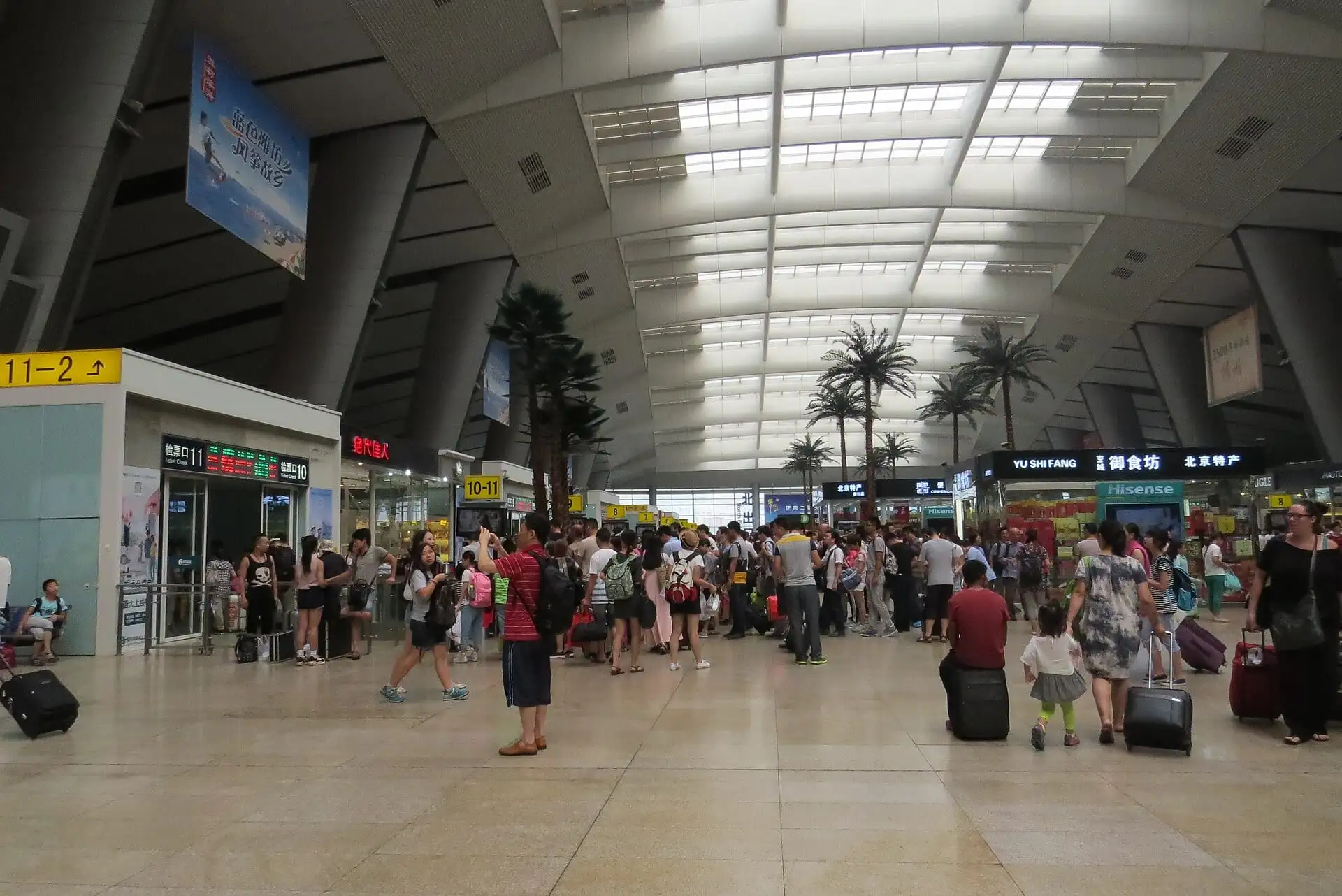
Most problems on a first trip to China come from something you could have done at home: an app that wasn’t verified, a hotel that doesn’t take foreigners, a train that sold out. This checklist puts everything in the order you need to do it, with a link to the full guide for each step. Tick the boxes as you go: your progress is saved in this browser.
The short answer
If you only do five things, do these:
- Check your entry option (visa-free, 240-hour transit, or a visa) for your passport and route.
- Set up Alipay with your passport and a foreign card, at home.
- Install a travel eSIM, so Google, WhatsApp, and maps work.
- Book your first hotel at a place that accepts foreign guests.
- Fill in the arrival card online a few days before you fly.
1. As soon as you start planning
- Check how you can enter. Most of Europe, plus the UK, Australia, New Zealand, Japan, and others, can stay 30 days without a visa (currently until 31 December 2026). Americans can use the 240-hour transit with an onward ticket to a third country, or apply for a visa. Try the visa checker, or see visa-free entry, China for US citizens, and applying for a visa.
- Check your passport. It should be valid for at least six months, with a blank page for the entry stamp.
- Check the dates against Chinese holidays. Avoid the Chinese New Year holiday (5 to 13 February 2027), 1 to 5 May, and 1 to 7 October if you can: trains sell out and sights are packed. See the best time to visit, and for a trip between December and February, China in winter.
- Sketch your route. Start from China in 7 days or 10 to 14 days, and set a budget.
2. Two to four weeks before
- Book hotels that accept foreigners. Not every hotel will check in a foreign passport, especially cheap ones. Filter for it on Trip.com, or choose mid-range and international chains. See hotels in China and where to stay.
- Book the sights that sell out. The Forbidden City sells tickets 7 days ahead and they go fast; the Terracotta Warriors, the Panda Base, and Shanghai Disneyland are easier, but book a few days ahead. See all attraction tickets.
- Plan your trains. Tickets go on sale about 15 days before departure. Set a reminder for the day sales open on busy routes. See high-speed trains.
- Buy travel insurance that covers medical treatment in China. Hospitals usually want payment up front.
3. The week before: set up your phone
- Install Alipay and verify your passport. Verification can take up to about three days. Then link a Visa or Mastercard. See paying in China.
- Install WeChat and add a card to WeChat Pay as a backup. Hotels and guides often message you there.
- Buy and install a travel eSIM over Wi-Fi at home, such as Airalo, and switch to it when you land. Google, WhatsApp, and Instagram keep working on it without a VPN. See internet and eSIMs.
- Install the travel apps: Amap or Apple Maps for directions, the DiDi mini-program in Alipay for taxis, 12306 or Trip.com for trains, and a translation app with offline Chinese. See the apps you need and DiDi and taxis.
- Verify your passport in 12306 if you’ll book trains yourself. It can take a few days.
- Book your trains as soon as each one goes on sale.
4. Money
- Bring a card with no foreign transaction fees, and tell your bank you’re travelling to China, so it doesn’t block the first payment.
- Get a few hundred yuan in cash for backup: at home, or from an ATM at the airport.
- Know the Alipay fee: payments up to ¥200 are free; above that, 3% of the whole amount. To see prices in your own money, use the yuan converter.
5. A few days before you fly
- Fill in the arrival card online, free, on the immigration authority’s site or app, and save the QR code. Ignore sites that charge for it. See the China arrival card.
- Save your bookings offline: screenshots of hotel confirmations, train tickets, and attraction bookings, plus a photo of your passport.
- Save your first hotel’s address in Chinese, to show a taxi driver.
- Plan the trip from the airport to your first hotel. See airport to city.
- Pack a plug adapter: China uses 220 V and Type A, C, and I sockets.
- Pack a power bank with a Chinese 3C mark if you’ll take domestic flights: since June 2025, power banks without one aren’t allowed on them. Keep it in your hand luggage.
6. When you land
- Switch your phone’s data to the eSIM and turn on data roaming for it. Turn off data roaming on your home SIM.
- Make a small test payment with Alipay, such as a drink at the airport, before you rely on it.
If something goes wrong
- Alipay won’t verify or your card is declined: use WeChat Pay, cash, or a foreign card at big hotels and malls. See paying in China for fixes.
- A hotel won’t check you in: politely point out that hotels are no longer allowed to refuse foreigners, and if that doesn’t work, move to an international chain nearby. See hotels in China.
- A train is sold out: try a different time, a slower train, or another seat class. See high-speed trains.
- Emergencies: police 110, ambulance 120, fire 119.