Planning
China in winter (December to February): where to go, weather by city, prices, and the holidays to avoid
China in December, January, and February: ice festivals and skiing in the north, mild Yunnan and Guangzhou, cheaper tickets, and the Chinese New Year rush.
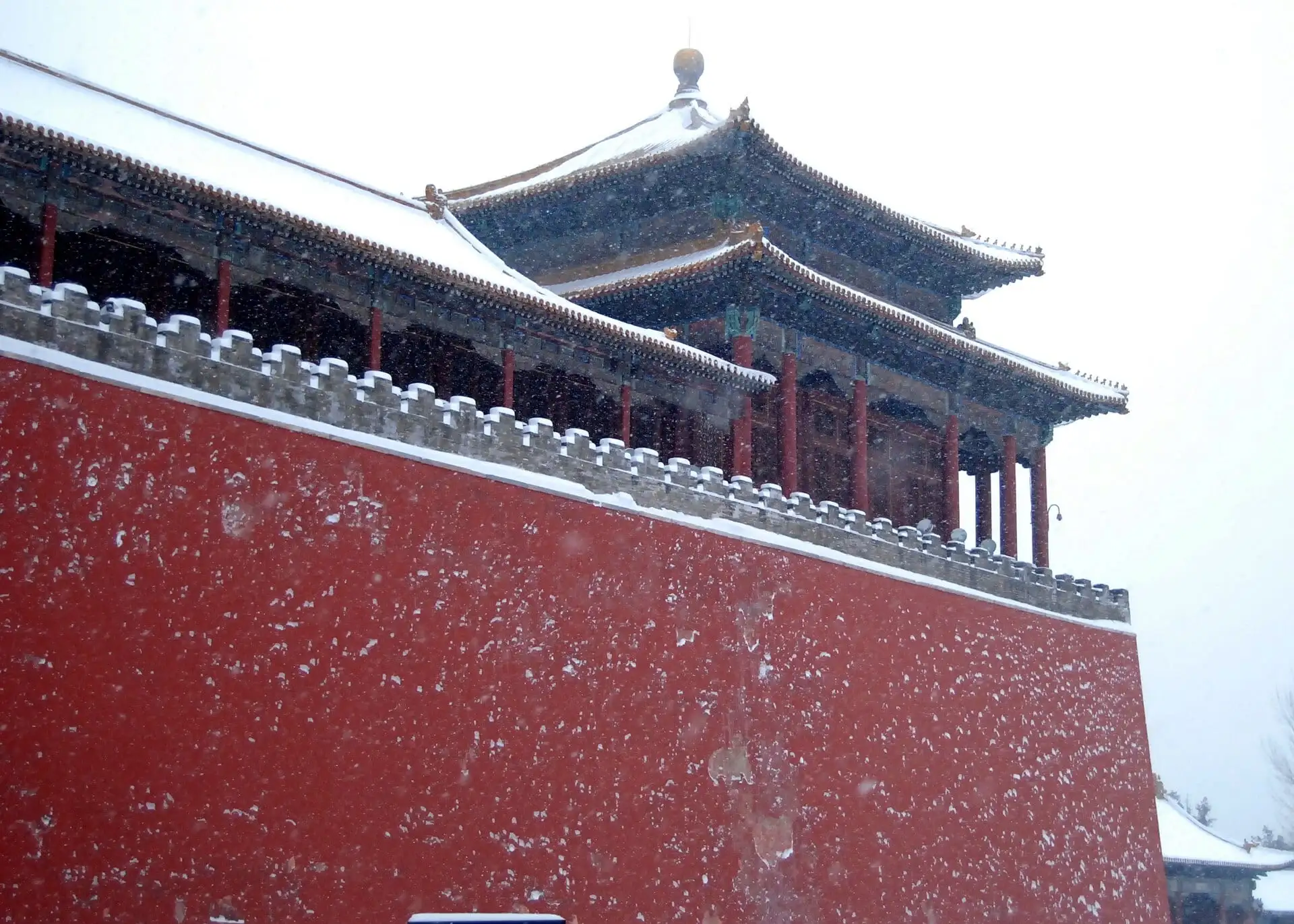
Winter is China’s quiet season for foreign visitors, and it’s underrated. The north is cold and dry, with clear blue skies more often than you’d think, the south is mild, and many of the big sights cut their prices. The far north-east turns into an ice-and-snow playground. There’s one big catch: Chinese New Year, when the whole country travels at once.
The short answer
- December and early to mid January are the best winter weeks: low prices, few crowds, and the ice festivals open.
- Avoid travelling between cities from about 30 January to 14 February 2027, around Chinese New Year on 6 February.
- Go north for Harbin’s ice city, China Snow Town, and skiing at Yabuli. Go south-west to Yunnan for sunshine.
- Beijing, Xi’an, and Shanghai are fine in winter: cold, but uncrowded, with cheaper tickets.
- Check your visa-free stay: for most countries, the 30-day visa-free policy runs until 31 December 2026. If your trip is in January or February, check whether it’s been extended: see visa-free entry.
Weather in January, city by city
Rough averages for January, the coldest month:
| City | Day | Night | What it’s like |
|---|---|---|---|
| Harbin | −13°C | −24°C | Bitterly cold and dry. Ice festival season |
| Beijing | 2°C | −8°C | Cold, dry, usually sunny; little snow. Bad air some days |
| Xi’an | 5°C | −4°C | Cold and often hazy |
| Shanghai, Hangzhou, Suzhou | 8°C | 1°C | Damp and grey. Many older buildings have little heating |
| Chengdu, Chongqing | 9°C | 4°C | Grey and damp, but rarely freezing |
| Guilin, Yangshuo | 12°C | 6°C | Cool, often misty, low water on the river |
| Kunming, Dali | 15°C | 3°C | Sunny and dry: the best winter weather in China |
| Guangzhou, Shenzhen, Hong Kong | 18°C | 11°C | Mild and dry |
| Sanya (Hainan) | 25°C | 19°C | Beach weather |
Heating: north of the Huai River and Qinling Mountains, including Beijing, Xi’an, and Harbin, buildings have central heating through the winter, so indoors is warm. South of that line, including Shanghai, Hangzhou, and Chengdu, there’s no central heating: rooms rely on air conditioners, and old buildings feel cold. Pick a hotel with good reviews for warmth.
Where to go
For snow and ice: the north-east
- Harbin Ice and Snow World, the giant city of ice. It usually opens between 17 and 21 December, and the first half of January is the best time.
- China Snow Town, the forest village under deep snow, open from about mid-November.
- Yabuli, China’s biggest ski resort, an hour from Harbin by train. The 2026–27 season opened on 6 November.
For the classic sights, without the crowds
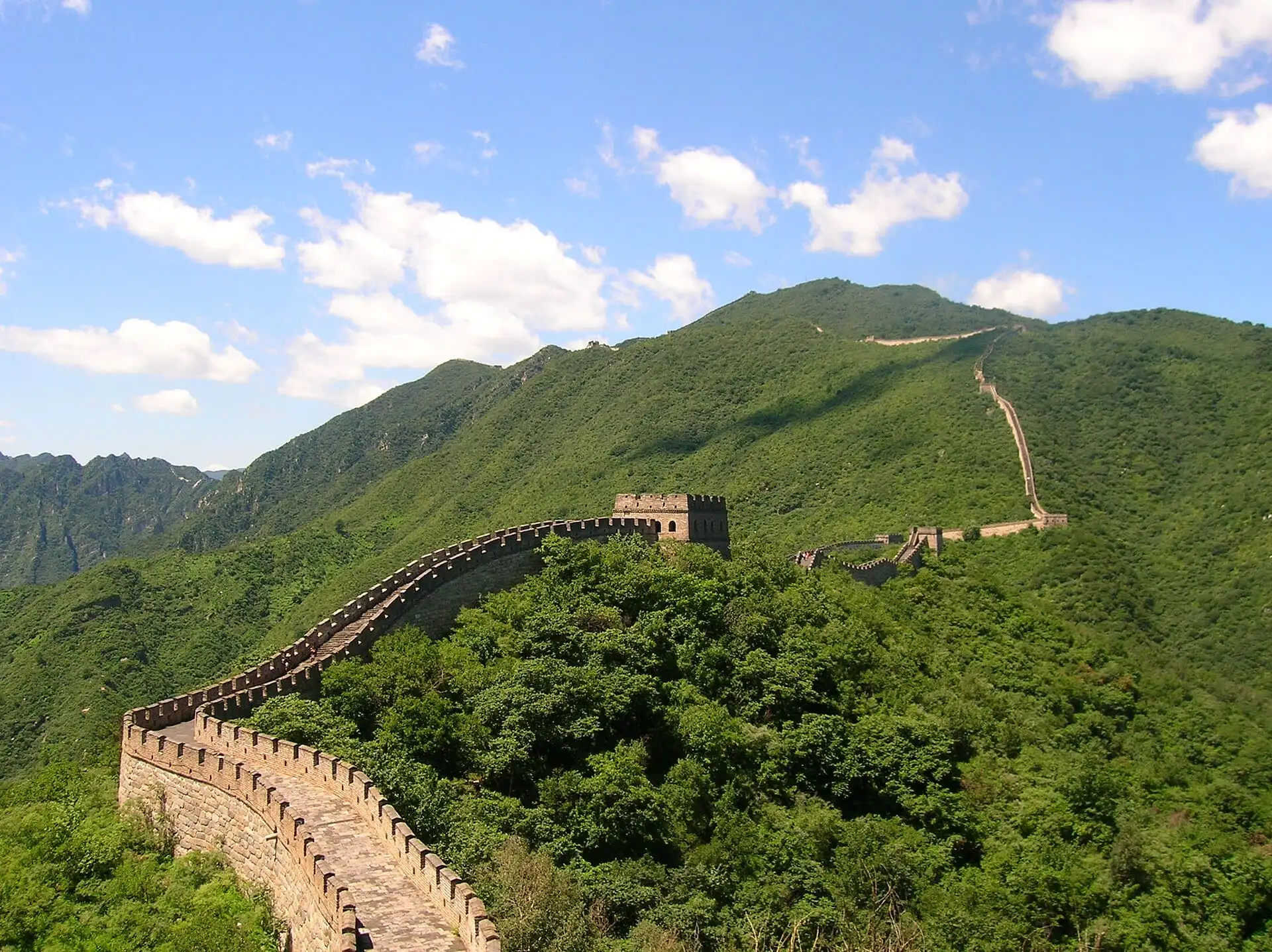
- Beijing: the Forbidden City is easier to book, and the Great Wall under snow is spectacular, if you’re lucky with the weather. Paths can be icy: wear boots with grip.
- Xi’an: the Terracotta Warriors are indoors, so the weather doesn’t matter.
- Shanghai: cold, damp days, but the shopping, museums, and food are indoors, and Disneyland has its cheapest weekday tickets outside the holidays.
For mild weather
- Yunnan: sunny days in Kunming, Dali, and Lijiang, though nights get cold, and Jade Dragon Snow Mountain is at its snowiest.
- Guangzhou and Shenzhen and Hong Kong: mild and dry, the best season for walking the cities. See crossing from Hong Kong.
- Hainan, China’s tropical island, has beaches and the warmest winter, but its hotels are busiest and dearest over Chinese New Year.
For pandas: the pandas are most active in the cold. See where to see pandas and the Chengdu Panda Base.
Places to think twice about
- Mountains: Huangshan, Mount Huashan, and Zhangjiajie are beautiful in frost and snow, and cheaper, but paths can be icy, and cable cars and some trails close for maintenance or bad weather.
- Jiuzhaigou: the lakes freeze at the edges and the prices drop, but the colours are best in autumn, and the roads can close after snow.
- Tibet: cold and quiet, with the Potala Palace often free during the winter campaign, but it’s high and the nights are very cold.
Winter prices
Many sights have a lower winter price. A few examples:
| Sight | Winter price | Rest of the year |
|---|---|---|
| Forbidden City | ¥40 (November to March) | ¥60 |
| Summer Palace | ¥50 through ticket (from November) | ¥60 |
| Temple of Heaven | ¥28 through ticket (from November) | ¥34 |
| Mount Huashan | ¥100 (December to February) | ¥160 |
| Mount Emei | ¥110 (mid-December to mid-January) | ¥160 |
| Jiuzhaigou | ¥80 + ¥80 bus (from 16 November) | ¥190 + ¥90 bus |
| Mogao Caves | ¥140 | ¥238 |
Hotels are also cheaper in December and early January, except over Christmas and New Year in the big cities and at the ice festival. See all ticket prices.
Holidays and festivals
- Christmas isn’t a public holiday in mainland China. Shopping malls decorate and the big cities get busy in the evening, but sights and transport work as normal. Hong Kong and Macau do take the day off.
- New Year’s Day (1 January) is a short public holiday: busy for a day or two, but not a big problem.
- Chinese New Year (6 February 2027) is the year’s biggest holiday, with 9 days off from 5 to 13 February. The travel rush (chunyun) runs for about 40 days around it, and trains sell out the moment they go on sale. Many small shops and restaurants close for several days, but big sights, hotels, and malls stay open. See travelling over Chinese New Year.
- The Lantern Festival (20 February 2027) closes the New Year season, with lantern shows in many cities.
What to pack
- For the north: a down coat, thermal layers, a hat, gloves, and boots with grip. For Harbin and Snow Town, add a neck warmer, heat packs, and two pairs of socks.
- For Shanghai and the south: a warm jacket and a jumper to wear indoors.
- A power bank: in the cold, phone batteries drain fast, and in China your phone is your wallet, ticket, and map. See paying in China and internet and eSIMs.
- Lip balm and moisturiser: northern winters are very dry, especially with the heating on.
Plan the trip
- A winter week in the north: three nights in Harbin, a night at Yabuli, and two nights at Snow Town. Fly into Harbin, or take the train from Beijing, about 4.5 hours.
- The classic route in winter: China in 7 days works well in December and early January. Add Yunnan or Guangzhou for warmth on a 10 to 14 day trip.
- Book trains early around the holidays: see how to book high-speed trains. For hotels, compare on Trip.com or Agoda.
For the rest of the year, see the best time to visit China.