Planning
China public holidays 2027: all the dates, days off, and make-up working days
The official 2027 China public holidays: Chinese New Year 5–13 February, May Day 1–5 May, Golden Week 1–7 October, the make-up working days, and when to book trains.
China’s State Council published the official 2027 holiday schedule on 5 November 2026. Mainland China has seven public holidays, and three of them, Chinese New Year, May Day and National Day, become long breaks when hundreds of millions of people travel at once. If your trip touches one of them, trains sell out, hotel prices jump and the big sights hit their daily limits. Here are all the dates, and what they mean for a visitor.
China public holidays 2027 at a glance
| Holiday | Days off in 2027 | Make-up working days |
|---|---|---|
| New Year’s Day (元旦) | Friday 1 – Sunday 3 January, 3 days | None |
| Chinese New Year (Spring Festival, 春节) | Friday 5 – Saturday 13 February, 9 days | Sunday 31 January, Sunday 14 February |
| Qingming (Tomb-Sweeping Day, 清明节) | Saturday 3 – Monday 5 April, 3 days | None |
| Labour Day (May Day, 劳动节) | Saturday 1 – Wednesday 5 May, 5 days | Saturday 8 May |
| Dragon Boat Festival (端午节) | Wednesday 9 June, 1 day | None |
| Mid-Autumn Festival (中秋节) | Wednesday 15 September, 1 day | None |
| National Day (Golden Week, 国庆节) | Friday 1 – Thursday 7 October, 7 days | Sunday 26 September, Saturday 9 October |
Source: the State Council’s notice on 2027 holiday arrangements (国办发明电〔2026〕10号). The law gives 13 days of public holiday a year; weekends and swapped days stretch the three big ones into long breaks.
What are make-up working days?
To join public holidays into a long break, China swaps working days with weekend days (调休, tiaoxiu). In return, some Saturdays and Sundays become normal working days. In 2027 there are five: 31 January, 14 February, 8 May, 26 September and 9 October.
For a visitor, that means:
- On those weekend days, offices, banks and schools open as on a weekday, and the metro has its weekday rush hours.
- Sights, shops and restaurants keep their usual hours, so a make-up working day is often a quieter day to sightsee than a normal weekend.
- Don’t plan on visiting an embassy, a visa office or a bank during the holiday itself. Do it before, or on a make-up day.
The holidays one by one
New Year’s Day, 1–3 January. A short break. Expect busy shopping streets and sights for a weekend, but no great travel rush. Christmas is not a public holiday in mainland China, though shops and malls decorate for it.
Chinese New Year, 5–13 February. The biggest holiday of the year. New Year’s Day itself is Saturday 6 February 2027, the start of the Year of the Goat. The travel rush (chunyun) lasts about 40 days around it. Big sights stay open and get very busy; many small family-run shops and restaurants close for several days. Everything you need is in Chinese New Year 2027 in China.
Qingming, 3–5 April. Families visit their ancestors’ graves, and it’s a three-day weekend, so trains, roads and parks are busy, especially in spring-blossom spots. A manageable holiday if you book ahead.
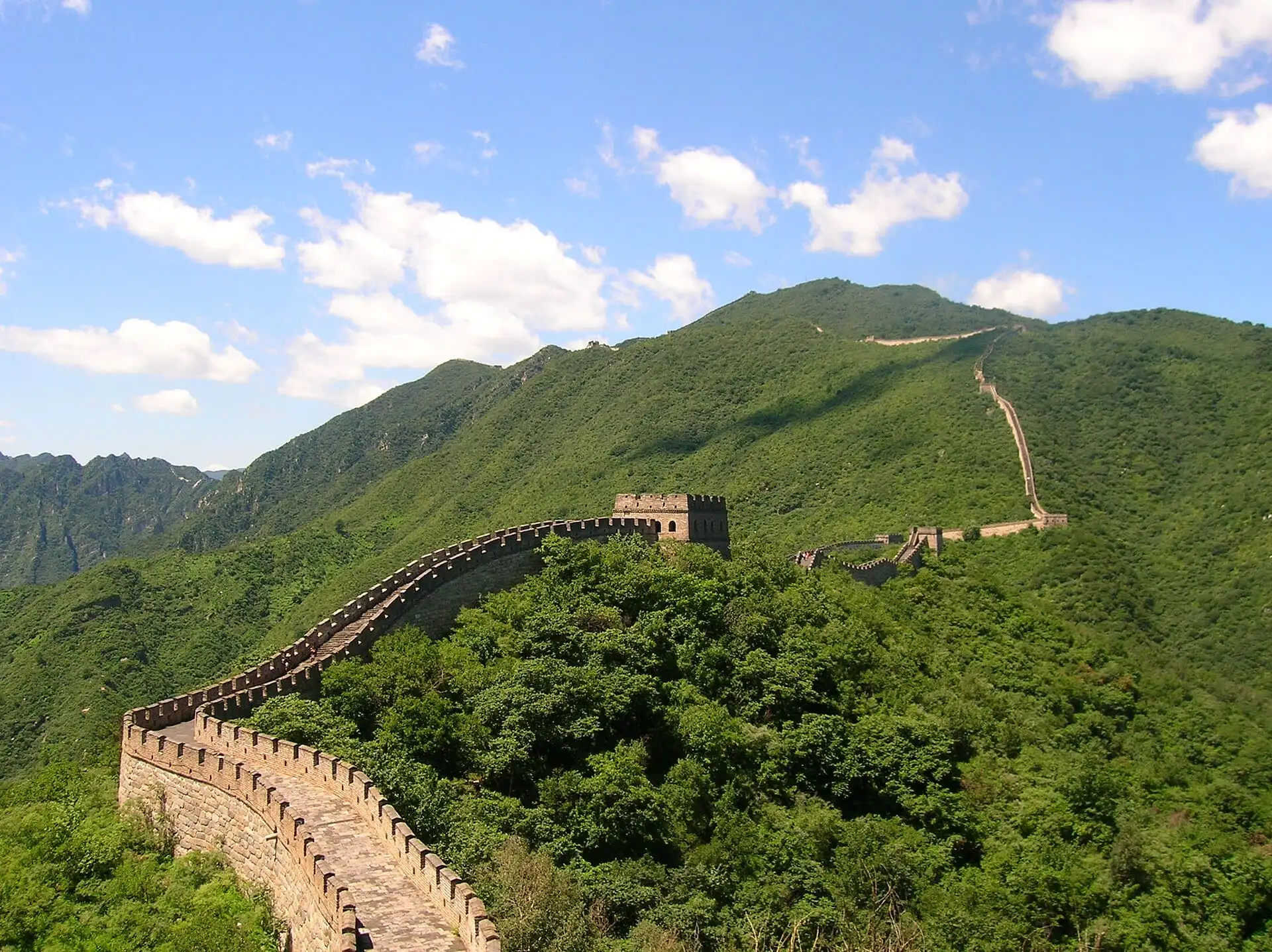
May Day, 1–5 May. Five days off in the best spring weather, and one of the busiest times of the year at every famous sight. Popular routes sell out within hours, and the Great Wall, the Forbidden City and West Lake are packed. Avoid it if you can, or stay in one city and book your tickets the day they’re released.
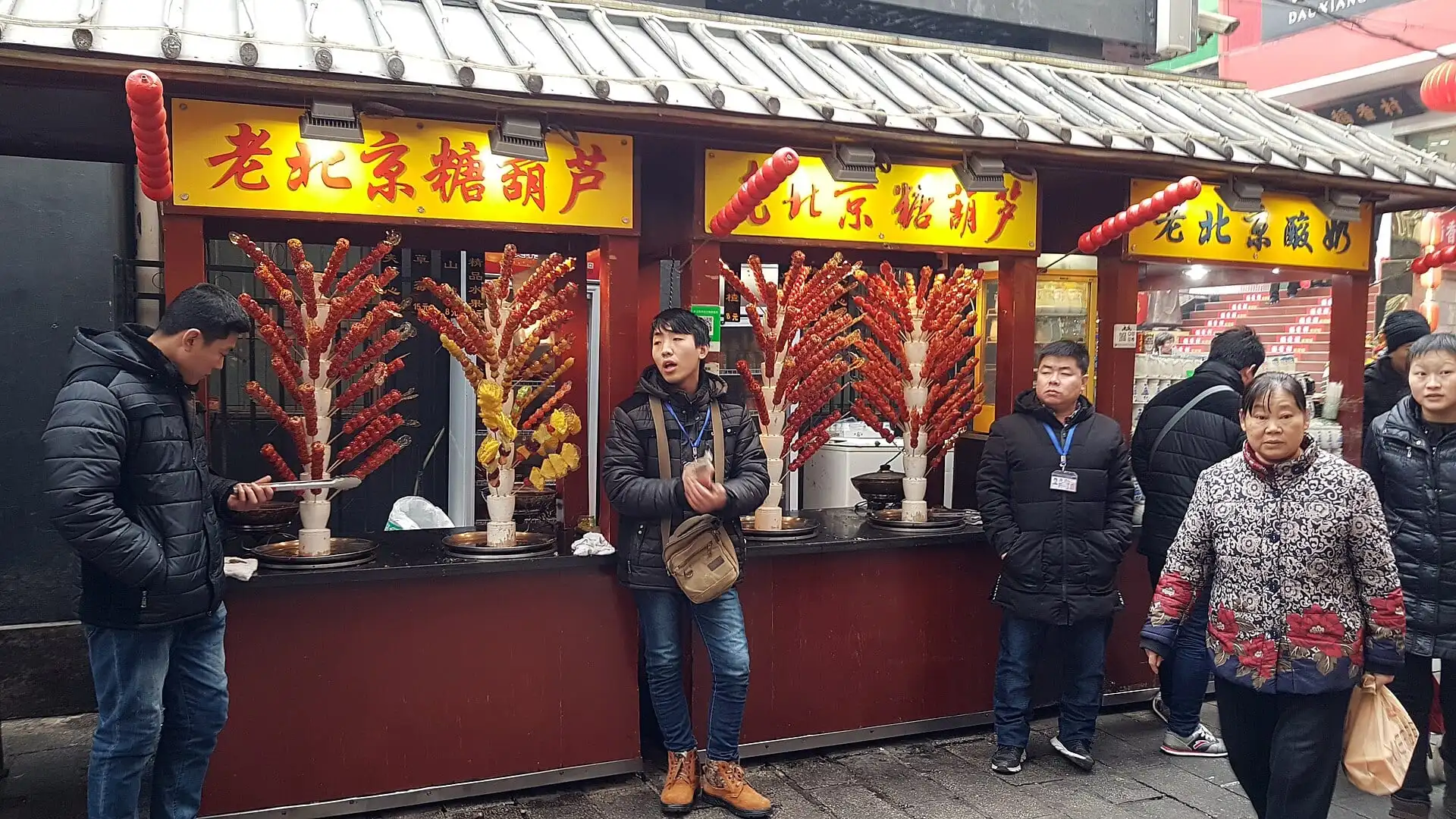
Dragon Boat Festival, Wednesday 9 June. A single day off in 2027, so the impact is small: busy sights that day only. You’ll see zongzi (sticky rice parcels) everywhere, and dragon boat races on rivers and lakes in many cities.
Mid-Autumn Festival, Wednesday 15 September. Also a single day off in 2027. Families gather to eat mooncakes and look at the full moon. Sights are busy that day, but it’s a pleasant time to be in China.
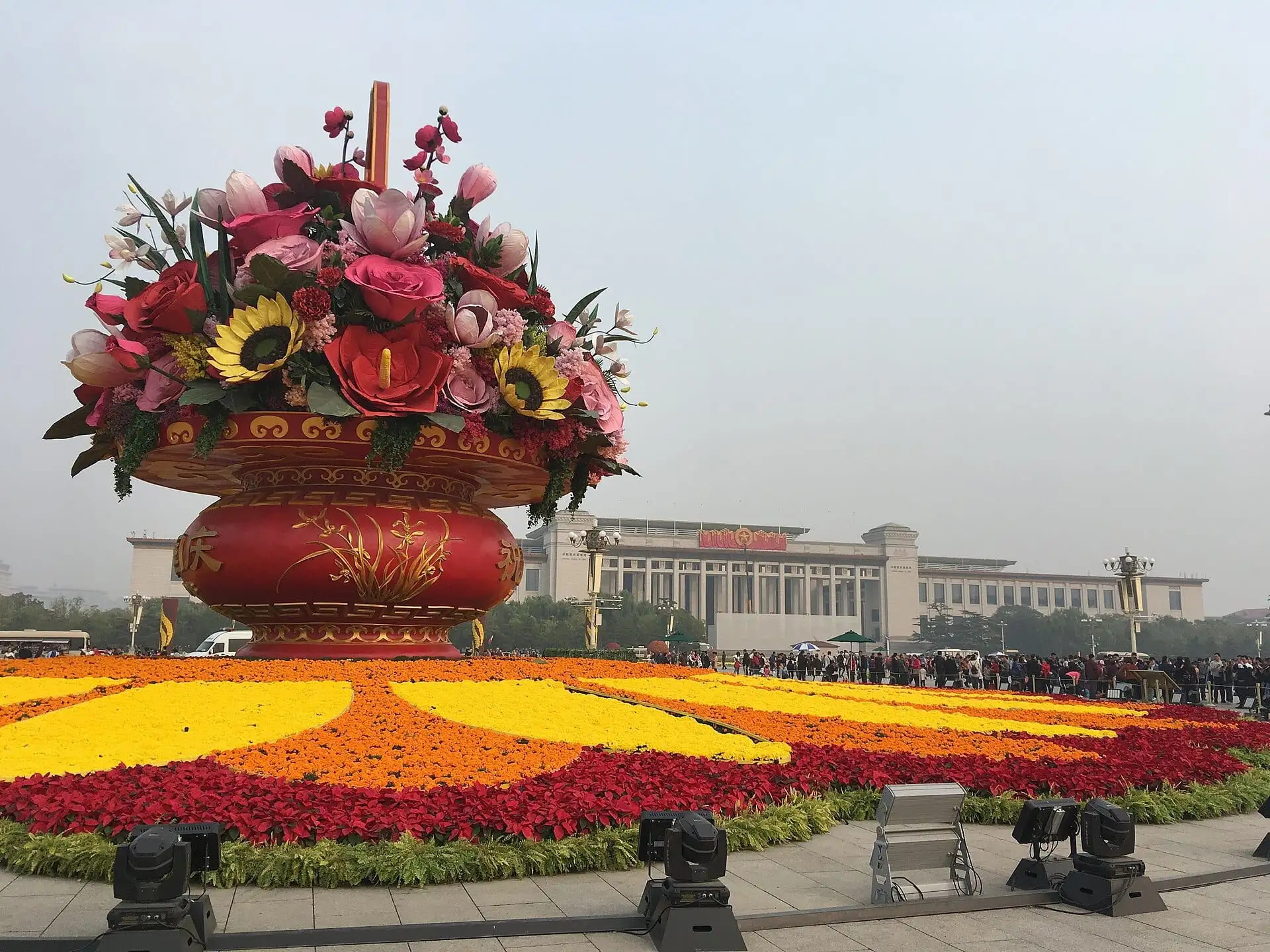
National Day, 1–7 October. Golden Week, the busiest week of the year for travel inside China. Trains, flights and hotels fill up weeks ahead, prices peak, and sights such as the Forbidden City, the Bund and Huangshan see their biggest crowds. If your dates are flexible, travel in the second half of September or from mid-October instead.
When to book trains for the holidays
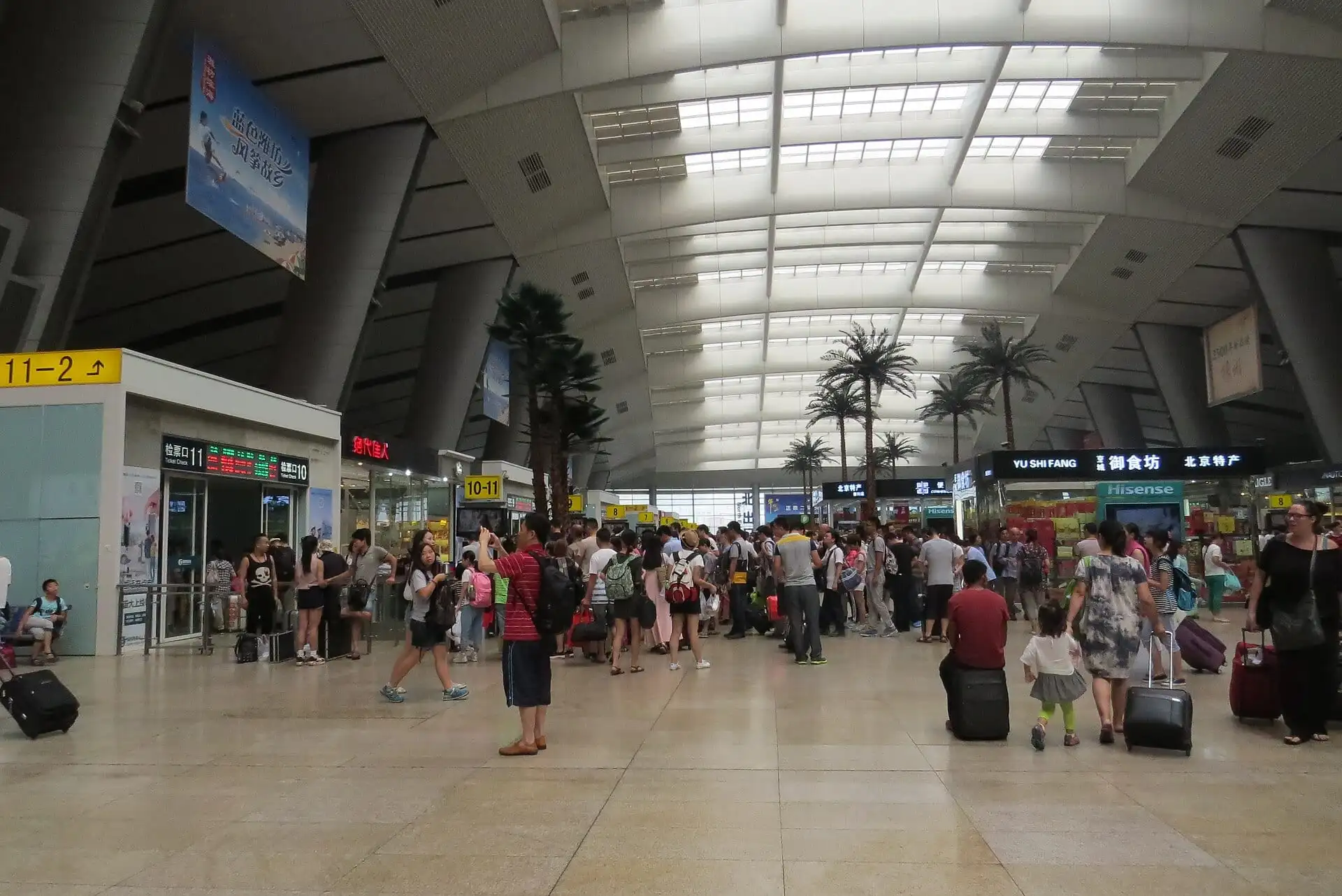
China’s railway (12306) sells tickets 15 days ahead, counting the travel day, so the sale opens 14 days before the date on your ticket. The busiest day to leave is usually the day before a holiday starts:
| If you travel on | Tickets go on sale |
|---|---|
| Thursday 31 December 2026 (New Year) | Thursday 17 December 2026 |
| Thursday 4 February 2027 (Chinese New Year) | Thursday 21 January |
| Friday 2 April (Qingming) | Friday 19 March |
| Friday 30 April (May Day) | Friday 16 April |
| Tuesday 8 June (Dragon Boat) | Tuesday 25 May |
| Tuesday 14 September (Mid-Autumn) | Tuesday 31 August |
| Thursday 30 September (National Day) | Thursday 16 September |
Coming back, the last day or two of each long holiday are just as busy. For more dates around Chinese New Year, see train tickets for Chinese New Year. How to book with a passport: booking high-speed trains, or book in English on Trip.com.
Roads are busy too: during the four big holidays (Chinese New Year, Qingming, May Day and National Day) motorway tolls are free for small cars, and traffic out of the cities can stand still on the first day.
The quietest times in 2027
- The second half of February and March, after the New Year holiday ends on 13 February.
- Mid-May to June, after May Day, apart from 9 June.
- The first half of September, and mid-October to November, after Golden Week.
For the weather in each season, see the best time to visit China, and for a trip between December and February, China in winter.
Hong Kong and Macau are different
Hong Kong and Macau set their own public holidays. They share some, such as Chinese New Year, but also have others, including Christmas and Easter, and they don’t use make-up working days. Check their own calendars if you’re crossing the border: see Hong Kong to mainland China.
Planning the rest? See the China travel checklist and how much a trip to China costs.